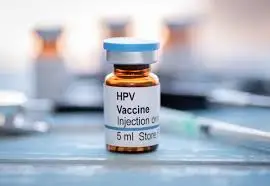
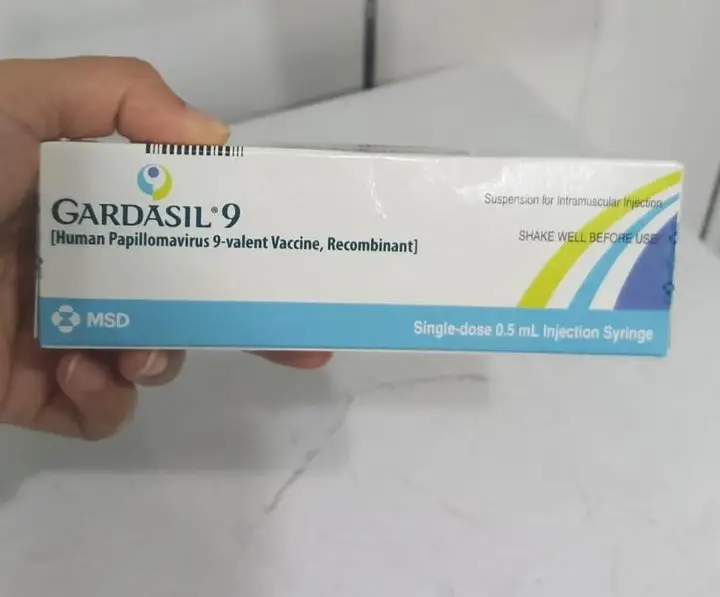
1. What is the difference between Gardasil and Gardasil 9? Gardasil protects against 4 HPV types, primarily those responsible for most cervical cancers and genital warts. Gardasil 9 is the newer, broader version, covering 9 HPV types for more comprehensive protection — Gardasil 9 is the version most commonly used today.
2. What is Recurrent Respiratory Papillomatosis (RRP)? RRP is a rare condition caused by HPV where wart-like growths develop in the airways, potentially causing breathing difficulties. It can affect both children and adults and often requires repeated surgical treatment to manage.
3. Can HPV cause throat or mouth cancer? Yes. HPV is a leading cause of oropharyngeal cancer, affecting the back of the throat, base of the tongue, and tonsils — and this type of HPV-related cancer has become increasingly common, particularly among men.
4. Is the HPV vaccine required for school or work in the UAE? HPV vaccination is not currently a mandatory school or workplace requirement in the UAE, though it is a widely recommended preventive health measure. Check with your specific school or employer if you have questions about their particular health requirements.
5. Can I still get vaccinated if I’m over the recommended catch-up age of 26? Yes. Adults aged 27–45 may still consider vaccination based on individual risk factors, in consultation with their doctor — it’s a shared decision based on your personal exposure history and risk, not an automatic exclusion.
6. Does having oral sex increase my risk of HPV-related throat cancer? Yes, HPV can be transmitted through oral sex, and this is one of the reasons oropharyngeal HPV-related cancers have been rising. Vaccination helps reduce this risk alongside other prevention measures.
7. If I test negative on a Pap smear, do I still need the HPV vaccine? A Pap smear checks for existing cervical cell changes, not your future risk of new HPV exposure. Vaccination is still worthwhile even after a negative Pap smear result, since it protects against HPV types you haven’t yet encountered.
8. How long has Gardasil 9 been studied for long-term safety? Gardasil 9 has been used and monitored globally for over a decade, with extensive post-market safety surveillance conducted by health authorities including the CDC and WHO, consistently supporting its strong safety profile.
9. Can I get the HPV vaccine if I’m traveling or living abroad temporarily? Yes, as long as you can access a licensed healthcare provider — just make sure your dosing schedule stays on track, since delays between doses can affect your protection timeline. Bring your vaccination record with you if switching providers or countries mid-series.
10. What’s the difference between HPV vaccination and cervical cancer screening? Vaccination is a preventive measure taken before or independent of HPV exposure, aiming to stop infection before it happens. Screening (like a Pap smear) checks for existing cervical cell changes. Both are complementary — vaccination doesn’t replace the need for regular screening.
11. Are there different HPV vaccine brands available in Dubai besides Gardasil 9? Gardasil 9 is the most widely used and recommended HPV vaccine in Dubai due to its broader 9-type protection. Availability of other formulations may vary — ask your provider about current options.
12. Can the HPV vaccine be given to someone who is immunocompromised? Yes, HPV vaccination is generally recommended for immunocompromised individuals, often following the extended 3-dose schedule regardless of age, since they may be at higher risk from HPV-related disease. Discuss your specific situation with your doctor.
13. Is there a needle-free or oral version of the HPV vaccine? No, the HPV vaccine is currently only available as an injection. If needle anxiety is a concern, let your healthcare provider know beforehand — they can help make the process more comfortable.
14. Does getting the HPV vaccine mean I no longer need to practice safe sex? No. The vaccine reduces your risk of the HPV types it covers, but doesn’t protect against other sexually transmitted infections or the HPV types not included in the vaccine. Continued safe sex practices remain important.
15. Can children under 9 receive the HPV vaccine? The HPV vaccine is not typically recommended below age 9. Routine vaccination usually starts at ages 11–12, though it can begin as early as 9 in some cases — discuss timing with your pediatrician.